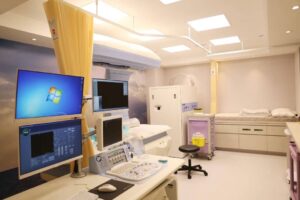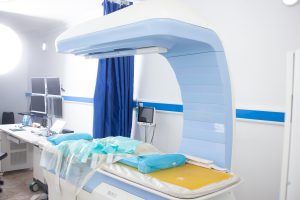
Medical doctors have been urged to consider women’s fertility plans, mental health and social wellbeing when treating uterine fibroids, rather than focusing solely on removing or shrinking the growths.
The Founder and Chief Executive Officer of Fibroid Care Centre at Nordica, Dr Abayomi Ajayi, made the call as the centre marked five years of high-intensity focused ultrasound treatment for fibroids, recording 1,000 HIFU treatments.
The milestone highlights the growing conversation around HIFU fibroid treatment in Nigeria and the importance of care that considers each woman’s symptoms, personal circumstances and reproductive preferences.
Fibroids and Adenomyosis Affect More Than Physical Health
Ajayi said fibroids and adenomyosis could affect women’s physical health, emotional wellbeing, relationships, careers and reproductive choices.
Adenomyosis is a condition in which tissue similar to the lining of the uterus grows into its muscular wall. Although different from fibroids, it can also be associated with heavy menstrual bleeding and painful periods.
He warned that a narrow focus on clinical symptoms could leave the psychological and social consequences of these conditions unaddressed.
“When we look at uterine fibroids and adenomyosis through the clinical lens, every clinician in this room knows that the true impact of these conditions extends far beyond the physical symptoms. Fibroids and adenomyosis represent a multidimensional crisis for women. It is psychological and social as well,” he said.
His message reinforces the need for treatment conversations that explore how a woman feels, how she manages daily responsibilities and what matters most to her.
Heavy Menstrual Bleeding and the Burden of Silence
Ajayi said some women endured heavy menstrual bleeding and other symptoms for years because they considered them normal or were reluctant to discuss them.
The NHS guide to fibroids identifies heavy or painful periods, abdominal pain, lower back pain and pressure symptoms among the possible effects of uterine fibroids. It recommends seeking medical assessment when symptoms affect everyday life, work or relationships.
Ajayi said the centre had begun working with a psychologist to provide additional support for some patients, acknowledging that the effects of fibroids extend beyond physical symptoms.
He also highlighted the economic burden of the condition, including repeated medical expenses, lost working hours and disruptions to family and social life.
These experiences, he said, demonstrate why comprehensive fibroid care should address emotional wellbeing alongside medical treatment.
Nordica Records 1,000 HIFU Treatments
The centre’s 1,000-treatment HIFU milestone reflects five years of experience offering focused ultrasound treatment for suitable patients.
Ajayi said that experience reinforced the need to expand access to treatment options that could reduce symptoms without necessarily requiring surgery.
HIFU is a non-invasive procedure that uses focused ultrasound energy to heat and destroy targeted fibroid tissue. The treated tissue gradually shrinks over time.
Unlike an operation to remove fibroids, HIFU treats targeted tissue without surgical incisions. However, the suitability and expected benefits of the procedure depend on individual assessment.
In his article on HIFU as an alternative approach to fibroid treatment, Dr Abayomi Ajayi discusses the role of the technology in widening treatment choices for women.
Expanding Access to Non-Invasive Fibroid Treatment
Ajayi said the procedure was introduced to West Africa to provide women with an alternative to conventional surgical interventions.
These include myomectomy, which removes fibroids while retaining the uterus, and hysterectomy, which involves removing the uterus.
“When we introduced HIFU to West Africa, our goal was simple but ambitious: to offer precise ablative treatment that destroys targeted tissue without surgical incisions or removal of the uterus,” he said.
International patient information from Oxford University Hospitals on HIFU for uterine fibroids provides further explanation of focused ultrasound treatment and the assessment involved.
Ajayi described the 1,000-treatment milestone as an opportunity to strengthen clinical collaboration, improve patient care and expand access to non-invasive treatment across Africa.
He also expressed hope that more centres across West Africa would adopt the technology.
Is HIFU Suitable for Every Patient?
HIFU is not suitable for every woman with fibroids. Eligibility depends on factors such as fibroid size, location and characteristics, alongside other findings from specialist assessment.
Treatment outcomes vary, and patients need clear information about expected symptom improvement, potential complications and the possibility of additional treatment.
The NICE guidance on ultrasound-guided HIFU for symptomatic uterine fibroids highlights the importance of informed consent, clinical monitoring and discussion of uncertainties, including those relating to fertility and future pregnancy.
A consultation should therefore help a woman understand how HIFU compares with other options appropriate to her circumstances.
Why Fertility Plans Should Guide Fibroid Treatment Decisions
Women’s reproductive preferences should form part of the discussion before treatment begins.
Some women wish to become pregnant soon, others want to preserve the possibility of pregnancy, and others primarily seek relief from symptoms affecting their quality of life.
The Mayo Clinic’s guide to uterine fibroid diagnosis and treatment explains the different management approaches available and why treatment should reflect symptoms and individual goals.
Women can also explore Nordica Fertility Centre’s information on gynaecological endoscopy, which outlines minimally invasive surgical approaches used for selected reproductive conditions, including fibroids.
Importantly, retaining the uterus does not guarantee future pregnancy. Women considering pregnancy should discuss how their fibroids, proposed treatment and wider fertility health may affect their plans.
Comprehensive Fibroid Care Puts Women’s Needs First
Ajayi said the ultimate goal should be to ensure that women receive care that considers their fertility preferences, emotional health and ability to maintain their daily lives.
The centre’s five-year experience and 1,000 HIFU treatments reinforce the importance of looking beyond clinical measurements to understand the woman receiving care.
For women living with fibroids, an appropriate treatment plan should consider symptom relief, medical evidence, reproductive priorities and quality of life.
Women experiencing heavy menstrual bleeding, pelvic discomfort or other symptoms can book an assessment at Fibroid Care Centre at Nordica to discuss suitable investigations and treatment options.