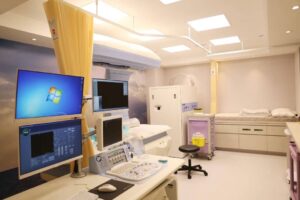
Fibroid Care Centre at Nordica has marked 1,000 high-intensity focused ultrasound treatments, highlighting the importance of addressing the physical symptoms, emotional wellbeing, social experiences and reproductive concerns of women living with fibroids.
Speaking at the celebration, the centre’s Founder and Chief Executive Officer, Dr Abayomi Ajayi, said the five-year milestone represented an opportunity to strengthen personalised care and expand access to HIFU fibroid treatment in Nigeria.
“This milestone is not about the machine, it is about choice. For too long, women had only one choice. We have completed 1,000 treatments, and the next 1,000 will come faster because West African women deserve world-class care,” he said.
The achievement, documented on the Fibroid Care Centre’s HIFU milestone page, brings renewed attention to treatment decisions that consider each woman’s symptoms, circumstances and plans for the future.
Treat the Woman, Not Just the Fibroid
According to Ajayi, the central lesson from the centre’s experience is the need to “treat the woman, not just the fibroid”.
He explained that an emphasis on the size, number or location of fibroids can sometimes overshadow the experiences of the women living with them.
“When we look at uterine fibroids and adenomyosis through the clinical lens, every clinician in this room knows that the true impact of these conditions extends far beyond the physical symptoms. Fibroids and adenomyosis represent a multidimensional crisis for women. It is psychological and social as well,” he said.
This approach places the woman’s quality of life at the centre of care. It means asking how symptoms affect her work, relationships, confidence and reproductive plans, alongside reviewing scans and other clinical findings.
The Fibroid Care Centre at Nordica describes a patient-centred approach to managing uterine fibroids and other benign uterine conditions.
The Physical and Emotional Impact of Fibroids
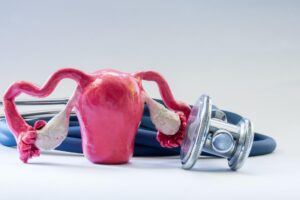
Uterine fibroids are non-cancerous growths that develop in or around the womb. Some cause no symptoms, while others are associated with heavy or painful periods, abdominal discomfort, pressure symptoms and difficulties with everyday activities.
The NHS guide to fibroids explains that symptoms can also include lower back pain, frequent urination and discomfort during sex. Women whose symptoms affect their daily lives, work or relationships should seek medical assessment.
Ajayi said silence around menstrual and reproductive health can leave women coping with symptoms in isolation. Fear, uncertainty and embarrassment may affect self-esteem and place strain on relationships.
“For every woman who bled every month and thought it was normal, this is for you. For every woman who was told, ‘You no longer need your uterus; just remove it,’ this is for you,” he said.
He added that the centre’s experience had reinforced the importance of emotional support alongside medical treatment.
“We must never ignore the psychological and social burden these conditions place on women. We now work with a psychologist to support some of our patients,” he said.
Why the Celebration Was a White Party
The centre’s White Party celebration carried a meaning connected to the everyday experiences of women with heavy menstrual bleeding.
“Some women avoid wearing white clothes because they fear visible bleeding,” Ajayi explained.
For these women, clothing choices, social outings and workplace routines can become sources of anxiety. The celebration recognised women who had endured those challenges and sought care.
Ajayi also highlighted the economic burden of fibroids, including repeated medical expenses, missed working hours and disruption to daily responsibilities. Some women, he said, are unable to attend work because of their symptoms.
What Is HIFU Fibroid Treatment?
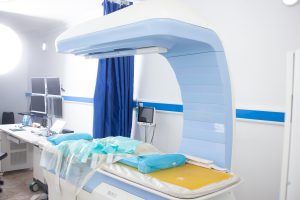
High-intensity focused ultrasound, or HIFU, uses concentrated ultrasound energy to heat and destroy targeted fibroid tissue without surgical incisions. The treated tissue subsequently shrinks over time.
Ajayi said the centre introduced the technology to offer suitable patients an additional treatment option that does not involve removing the uterus.
“When we introduced HIFU to West Africa, our goal was simple but ambitious: to offer precise ablative treatment that destroys targeted tissue without surgical incisions or removal of the uterus,” he said.
In his article on how HIFU is changing fibroid treatment, Dr Abayomi Ajayi discusses the role of focused ultrasound in expanding access to care beyond conventional surgery.
International patient information from Oxford University Hospitals on HIFU for uterine fibroids also explains the procedure and the importance of assessment before treatment.
Is HIFU Suitable for Every Woman With Fibroids?
HIFU is not suitable for every patient. Eligibility requires specialist assessment of the fibroids and surrounding anatomy, including their size, location and characteristics.
Treatment outcomes vary, and a non-invasive procedure still requires discussion of potential complications, limitations and the possibility of further treatment.
The NICE guidance on ultrasound-guided HIFU for symptomatic uterine fibroids highlights the need for careful consent, clinical governance and monitoring. Its guidance also identifies uncertainty about the effects on fertility and future pregnancy.
Women considering HIFU should therefore receive individual advice about how it compares with other appropriate options.
Fibroids, Fertility and Choosing the Right Treatment
The reproductive implications of fibroids make personalised treatment particularly important.
Some fibroids may affect fertility or pregnancy, depending on their location and other clinical factors. However, having fibroids does not automatically mean a woman will experience infertility.
Women planning a pregnancy should discuss both the potential effects of their fibroids and the reproductive implications of any proposed treatment.
Depending on the individual case, management may involve monitoring, medication, myomectomy, uterine artery embolisation, HIFU or other procedures. Hysterectomy removes the uterus and ends the possibility of carrying a pregnancy.
The Mayo Clinic’s overview of uterine fibroid diagnosis and treatment explains why treatment decisions depend on symptoms, fibroid characteristics and a patient’s goals.
For women who need surgical assessment, Nordica Fertility Centre’s information on gynaecological endoscopy outlines minimally invasive approaches used in managing selected reproductive conditions, including fibroids.
Preserving the uterus does not guarantee future pregnancy. Women hoping to conceive need advice that considers their wider fertility picture as well as the proposed fibroid treatment.
What 1,000 HIFU Treatments Mean for Women
Reflecting on the milestone, Ajayi said its significance extended beyond clinical measurements such as fibroid volume reduction and symptom scores.
“Today, as we reflect on 1,000 treatments, we are not merely presenting clinical safety data, volume reduction rates or improvements in symptom severity scores. We are celebrating 1,000 opportunities to restore lives. We are talking about women returning to their families and careers, reclaiming their bodily integrity and regaining hope,” he said.
He described the centre’s experience as a foundation for further assessment, collaboration and improved access to care.
“We are not presenting our experience as a final destination but as an invitation to collaborate, refine our approach and expand access to non-invasive fibroid treatment across Africa,” he said.
The milestone reinforces his call for comprehensive fibroid care: treatment decisions should address symptoms and clinical findings while respecting each woman’s emotional wellbeing, personal priorities and reproductive plans.
Book a Fibroid Assessment
Women experiencing heavy menstrual bleeding, pelvic discomfort or other symptoms associated with fibroids can book an assessment at Fibroid Care Centre at Nordica.
A consultation provides an opportunity to review symptoms, discuss relevant investigations and understand which treatment options may be appropriate.
Source: https://www.vanguardngr.com/2026/10/fibroids-treat-women-not-just-fibroids-ajayi/